
CCM vs RPM: What’s the Difference and Do You Need Both?
Understanding CCM vs RPM and How They Support Chronic Care
Managing chronic conditions often requires more than occasional doctor visits. Ongoing monitoring, consistent communication, and proactive care can make a significant difference in long term health outcomes. Two programs designed to support this level of care are Chronic Care Management (CCM) and Remote Patient Monitoring (RPM).
When comparing CCM vs RPM, it helps to understand that these services address different aspects of chronic disease management. While they can function independently, they often work best together. At Advanced Health, these services are designed to complement each other, creating a more complete support system for patients managing ongoing health conditions.
What Is Chronic Care Management (CCM)?
Chronic Care Management is a program that provides continuous support for patients living with multiple chronic conditions. Instead of relying only on in-office appointments, CCM offers ongoing care coordination between visits.
Patients enrolled in CCM receive structured monthly support from a healthcare team that helps manage their conditions, medications, and treatment plans. This service is especially helpful for individuals managing two or more chronic illnesses such as diabetes, hypertension, heart disease, or COPD.
CCM services often include:
- Regular check ins with care coordinators
- Medication management and review
- Help scheduling appointments and tests
- Coordination between specialists and primary care providers
- Personalized care planning
The goal of CCM is to reduce complications, prevent hospitalizations, and ensure patients have consistent guidance as they manage their health.
What Is Remote Patient Monitoring (RPM)?
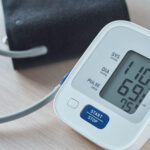
Remote Patient Monitoring focuses on tracking key health data from home using connected medical devices. These devices send real time health information to healthcare providers, allowing them to monitor a patient’s condition without requiring frequent office visits.
RPM is particularly valuable for conditions where daily measurements provide insight into a patient’s health status.
Common RPM monitoring includes:
- Blood pressure monitoring
- Blood glucose tracking
- Weight monitoring for heart conditions
- Oxygen levels for respiratory conditions
Because providers can review this data regularly, they may be able to identify concerning trends early and intervene before a condition worsens.
Key Differences Between CCM vs RPM
Although CCM and RPM both support chronic disease management, they serve different roles in patient care.
Chronic Care Management focuses on care coordination, communication, and long term treatment planning. It ensures patients receive guidance, education, and support while managing complex health conditions.
Remote Patient Monitoring focuses on collecting real time health data through devices used at home. It allows providers to observe patterns in a patient’s health between appointments.
In simple terms, CCM helps manage the overall care plan, while RPM provides the data that can inform clinical decisions.
Do Patients Benefit from Both CCM and RPM?
For many individuals, combining CCM and RPM provides the most comprehensive level of care. These services work together to give healthcare teams both the information and the structure needed to support patients effectively.
RPM provides daily or frequent health data, while CCM ensures that information is used within a coordinated care plan. Together, they allow providers to identify potential issues early and respond quickly.
Patients managing conditions such as diabetes, heart disease, or high blood pressure often benefit from both services because their care requires both monitoring and consistent care coordination.
How Advanced Health Integrates CCM and RPM
At Advanced Health, the goal is to support patients with a comprehensive and personalized approach to chronic care. Rather than offering fragmented services, CCM and RPM are designed to work together as part of a coordinated system.
Patients receive regular support from care coordinators while also using remote monitoring tools that track important health data from home. This combination allows healthcare providers to stay informed about changes in a patient’s condition and respond with timely guidance.
This integrated model helps patients feel supported between appointments, reduces gaps in care, and encourages more proactive management of chronic health conditions.
When healthcare teams have both continuous communication and real time health data, they are better equipped to help patients stay healthier and avoid preventable complications. Contact our care team today to see if Advanced Health is right for you or a loved one.