How to Manage High Blood Pressure at Any Age
A Practical Guide to High Blood Pressure Management Across Every Stage of Life
High blood pressure, or hypertension, is one of the most common chronic conditions, affecting people of all ages. It often develops without obvious symptoms, which is why it is sometimes called a silent condition. Left unmanaged, it can increase the risk of heart disease, stroke, and other serious health issues.
The good news is that high blood pressure management is possible at any age. Whether you are in your 30s, 50s, or beyond, small and consistent changes can have a meaningful impact on your health.
Understanding What High Blood Pressure Means
Blood pressure measures the force of blood pushing against the walls of your arteries. When that pressure remains consistently high, it puts extra strain on your heart and blood vessels.
Over time, this strain can damage the cardiovascular system. Many people do not feel any different when their blood pressure is elevated, which makes regular monitoring especially important.
Understanding your numbers and what they mean is a key first step in managing your health. A healthcare provider can help determine whether your levels are within a healthy range and guide next steps if they are not.
Lifestyle Changes That Support Blood Pressure Control
For many individuals, lifestyle adjustments are the foundation of high blood pressure management. These changes are often the first line of defense and can significantly improve outcomes when practiced consistently.
Nutrition plays a central role. Diets that emphasize whole foods such as fruits, vegetables, lean proteins, and whole grains can help regulate blood pressure. Reducing sodium intake and limiting highly processed foods can also make a measurable difference.
Physical activity is equally important. Regular movement supports heart health, improves circulation, and can lower blood pressure over time. Even moderate activities like walking can be effective when done consistently.
Stress management should not be overlooked. Chronic stress can contribute to elevated blood pressure, so finding ways to manage stress through relaxation techniques, sleep, or mindfulness can support overall health.
How High Blood Pressure Management Changes with Age
While the core principles remain the same, high blood pressure management can look different depending on your stage of life.
In younger adults, hypertension is often linked to lifestyle factors such as diet, physical inactivity, and stress. Early intervention can prevent long term complications and may reduce the need for medication.
In middle age, blood pressure may begin to rise more noticeably. At this stage, a combination of lifestyle changes and medication may be necessary to maintain healthy levels. Regular checkups become increasingly important.
For older adults, managing blood pressure often involves balancing treatment with overall health needs. Providers may focus on maintaining safe and stable levels while considering other conditions and medications.
Across all age groups, consistency is key. Small, sustainable habits often lead to the most lasting results.
The Role of Medication in Blood Pressure Control
In some cases, lifestyle changes alone may not be enough to bring blood pressure into a healthy range. Medications can play an important role in reducing risk and protecting long term health.
There are several types of blood pressure medications, each working in different ways to relax blood vessels, reduce fluid buildup, or lower heart rate. A healthcare provider will determine the most appropriate option based on individual health needs.
Taking medication as prescribed is essential. Skipping doses or stopping medication without guidance can cause blood pressure to rise again, sometimes quickly.
Why Monitoring Blood Pressure at Home Matters
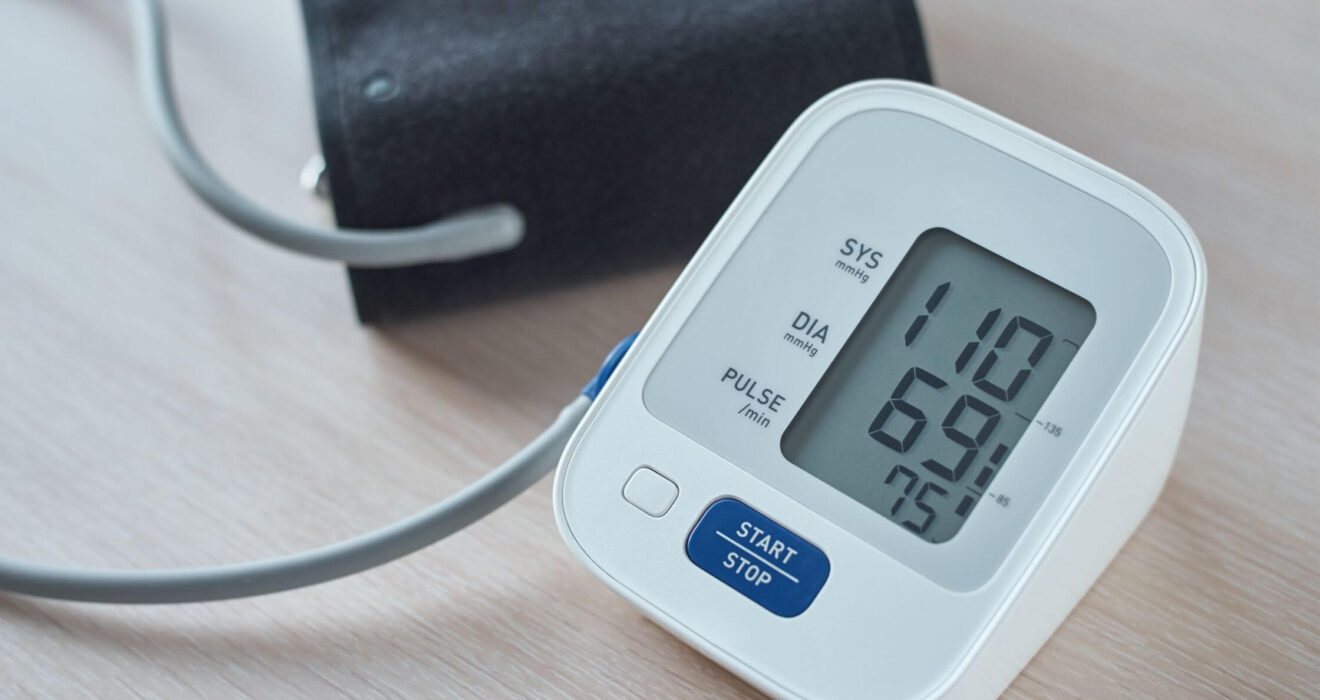
Regular monitoring provides valuable insight into how your blood pressure changes over time. It also helps identify patterns that may not be visible during occasional office visits.
Home monitoring allows individuals to take a more active role in their health. By tracking readings consistently, you and your healthcare provider can make more informed decisions about treatment and lifestyle adjustments.
This is where remote patient monitoring can offer additional support. With connected devices, blood pressure readings can be shared directly with your care team. This allows for more timely adjustments and ongoing guidance without requiring frequent in person visits.
For many patients, this added layer of support helps bridge the gap between appointments and makes high blood pressure management more consistent and proactive.
Building a Sustainable Plan for Long Term Health
Managing high blood pressure is not about quick fixes. It is about creating a sustainable plan that fits your lifestyle and evolves with your needs over time.
This often includes regular communication with your healthcare provider, ongoing monitoring, and a commitment to healthy daily habits. Support systems also play an important role, whether that comes from family, care teams, or structured programs.
When care is consistent and personalized, it becomes easier to stay on track and make adjustments when needed. With the right approach, managing high blood pressure can feel more manageable and less overwhelming, regardless of your age. If you are looking for more consistent support, Advanced Health offers personalized care programs designed to help you monitor your blood pressure, stay connected with your care team, and make informed decisions between visits. Reach out today to learn how a more proactive, connected approach can support your long term health!