
Annual Physicals: What to Expect and Why They Matter
Understanding Annual Physical Exam Importance for Your Long Term Health
It is easy to put off seeing a healthcare provider when you feel healthy. But primary care is about more than treating illness when it happens. Regular preventive care gives you and your provider an opportunity to identify potential concerns early, monitor changes in your health, and make informed decisions about your well being.
An annual physical exam is an important part of that process. It provides dedicated time to review your overall health, discuss concerns that may not require a separate appointment, and make sure appropriate screenings and preventive measures are up to date.
Whether you have an established primary care provider or have not had a physical in several years, understanding annual physical exam importance can help you take a more proactive approach to your health.
What Happens During an Annual Physical Exam?
An annual physical is an opportunity for your provider to evaluate your current health and understand what has changed since your last visit. The exact components of the appointment can vary depending on your age, medical history, current conditions, and individual risk factors.
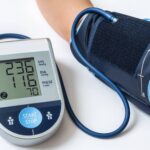
Your provider will typically review your medical and family history, medications, allergies, and any new symptoms or health concerns. Vital signs such as blood pressure, heart rate, and weight may be checked, followed by a physical examination appropriate for your individual needs.
Just as importantly, the visit gives you an opportunity to talk with your provider. Changes in sleep, energy, stress, activity level, appetite, or other areas of your health may provide valuable information, even if they do not seem significant enough to schedule a separate appointment.
Why Annual Physical Exams Matter Even When You Feel Healthy
Many common health conditions can develop without noticeable symptoms. High blood pressure, high cholesterol, prediabetes, and type 2 diabetes are examples of conditions that may be present before you realize anything is wrong.
Routine primary care helps establish a baseline for your health. When your provider sees you consistently, changes in blood pressure, weight, laboratory results, medications, or other health indicators can be evaluated over time rather than viewed as isolated numbers.
This continuity can make it easier to identify potential concerns earlier and develop a plan before they become more difficult to manage.
Preventive Screenings and Routine Blood Work
Your annual physical is also an opportunity to determine which preventive screenings are appropriate for you. Recommendations vary based on factors such as age, sex, family history, previous results, and personal risk factors.
Depending on your individual needs, your provider may recommend blood work to evaluate areas such as cholesterol, blood sugar, blood cell counts, kidney function, or liver function. Other preventive care may include cancer screenings, bone health assessments, or vaccinations.
Not every patient needs every test each year. Your primary care provider can help determine which screenings are appropriate and how frequently they should be completed based on your health history.
Managing Existing Health Conditions
Annual physicals are valuable for people who already have chronic health conditions as well. Conditions such as hypertension, diabetes, high cholesterol, arthritis, or thyroid disorders require ongoing attention, even when symptoms are well controlled.
Regular primary care allows your provider to review how your treatment plan is working, evaluate medications, and identify changes that may require closer monitoring.
Patients with more complex health needs may also benefit from additional support between appointments through services such as Chronic Care Management or Remote Patient Monitoring. These programs can complement regular primary care by helping patients stay connected with their care team throughout the year.
Building a Relationship With Your Primary Care Provider
One of the most valuable aspects of regular primary care is continuity. A provider who knows your medical history, understands your health goals, and has followed changes over time has greater context when a new concern develops.
That relationship can also make it easier to discuss sensitive or seemingly minor concerns. Instead of starting from the beginning each time you need care, you have a healthcare team that already understands your health history and can help coordinate additional care when necessary.
For patients establishing care with a new primary care provider, an annual physical can be an important opportunity to begin building that relationship.
How to Prepare for Your Annual Physical
A little preparation can help you get more from your appointment. Before your visit, consider any changes you have noticed since your last exam and write down questions you want to discuss.
It can also be helpful to bring an updated medication list, including over-the-counter medications and supplements. If you have received care from other providers or specialists, make sure your primary care team is aware of any new diagnoses, treatments, or medication changes.
The goal is not simply to complete an annual appointment. It is to give you and your provider a clear picture of your current health and an opportunity to plan for the year ahead.
Make Preventive Care Part of Your Routine
Annual physicals provide an opportunity to look beyond how you feel today and focus on protecting your health for the future. Consistent primary care can help identify risks earlier, keep preventive screenings on schedule, and provide ongoing support as your healthcare needs change.
If it has been a while since your last physical, or you are looking for a primary care provider who will take the time to understand your health needs, Advanced Health is here to help. Our team provides personalized primary care and preventive services with a focus on building lasting relationships with our patients. Contact Advanced Health to schedule your next visit and make proactive care part of your routine.