

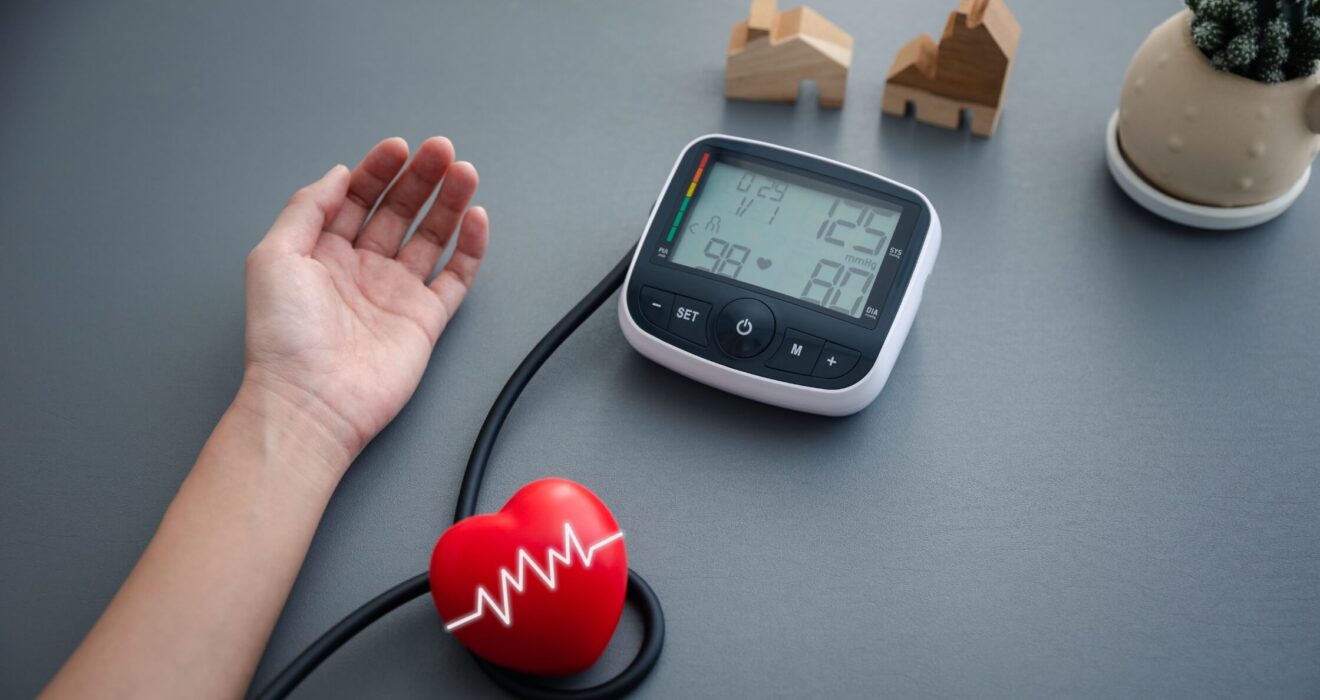
Does Medicare Pay for Remote Patient Monitoring?
For many patients and families, the idea of remote patient monitoring sounds helpful, but cost is often the biggest concern. Before enrolling, it’s natural to ask: Does Medicare pay for remote patient monitoring?
The answer is yes. Medicare covers remote patient monitoring (RPM) for eligible patients when certain criteria are met, making it an accessible option for managing chronic conditions and staying connected to a care team from home.
Medicare Remote Patient Monitoring Coverage Explained
Medicare remote patient monitoring coverage is available under Medicare Part B and is designed to support patients who need ongoing monitoring outside of traditional office visits. Medicare recognizes that tracking health data regularly can help prevent complications, reduce hospital visits, and improve overall outcomes. RPM coverage applies to monitoring physiological data such as blood pressure, blood sugar, weight, oxygen levels, and other clinically relevant measurements.
Who Is Eligible for Medicare Remote Patient Monitoring?
Medicare may cover remote patient monitoring for patients who meet the following criteria:
- Enrolled in Medicare Part B
- Have a chronic condition or a health concern that requires ongoing monitoring
- Are under the care of a provider who orders and oversees RPM services
RPM is not limited to seniors with multiple conditions. In some cases, patients with a single chronic condition or those recovering from an illness may also qualify, depending on clinical need.
What Does Medicare Cover With RPM?
Medicare remote patient monitoring coverage typically includes:
- Initial setup and patient education
- Use of FDA-approved monitoring devices
- Ongoing collection and review of health data
- Regular review and interpretation by clinical staff
- Follow-up communication when readings fall outside normal ranges
These services allow providers to respond quickly to changes in health, often before symptoms worsen.
Do You Have to Enroll in RPM?
Yes. Even though Medicare pays for remote patient monitoring, patients must consent to enrollment before services begin. Enrollment is voluntary, and you may stop RPM at any time.
During enrollment, your care team will explain:
- What data is being monitored
- How often readings are taken
- How your information is reviewed
- Any expected costs
This ensures transparency and helps patients feel comfortable and informed.
Why Medicare Covers Remote Patient Monitoring
Medicare remote patient monitoring coverage exists because RPM helps detect issues earlier, supports better chronic condition management, and improves continuity of care. When providers can identify trends in real time, they can intervene sooner—often preventing complications that lead to hospital stays.
For patients, RPM offers reassurance, support, and a stronger connection to their healthcare team between visits.
Remote patient monitoring is meant to support care, not add complexity. If you’re interested in learning whether RPM is covered for you or a loved one, our care team is happy to answer questions and help determine eligibility. Contact us to learn more or to see if you qualify.