Transitional Care Management (TCM) in Greenville & Surrounding Areas
Coming home after a hospital stay can feel overwhelming. Patients may leave the hospital with new medications, follow-up instructions, specialist referrals, wound care needs, therapy recommendations, or changes to an existing care plan. Transitional Care Management, or TCM, helps make that transition safer, clearer, and more coordinated.
At Advanced Health, Transitional Care Management supports patients after discharge from a hospital, skilled nursing facility, rehabilitation facility, or other inpatient setting. Our care team helps review what happened during the hospital stay, confirms the next steps, checks for medication changes, and coordinates follow-up care so nothing important is missed.
The goal of TCM is to reduce confusion, prevent complications, and lower the risk of avoidable hospital readmissions. By connecting with patients soon after discharge, Advanced Health helps identify concerns early and supports a smoother recovery at home.



Why Choose Us?
Post-discharge follow-up after hospitalization or facility care
Medication review and reconciliation
Coordination with specialists, hospitals, home health, and caregivers
- Help understanding discharge instructions and next steps
- Ongoing recovery monitoring between visits
- Reduced risk of gaps in care and avoidable readmissions
- Insurance-covered service for many eligible patients
Approach and Benefit.
Follow-up care after discharge is one of the most important parts of recovery. A patient’s condition can change quickly after leaving the hospital, especially when new medications, new diagnoses, or new care instructions are involved.
Advanced Health helps schedule timely follow-up visits after discharge to review your condition, answer questions, and make sure your recovery plan is clear. During this visit, your provider may review hospital records, discuss symptoms, evaluate your current health status, and confirm whether additional testing, referrals, or care coordination is needed.
This follow-up gives patients and families the opportunity to address concerns before they become more serious. It also helps your primary care team stay informed and involved after a hospital stay.
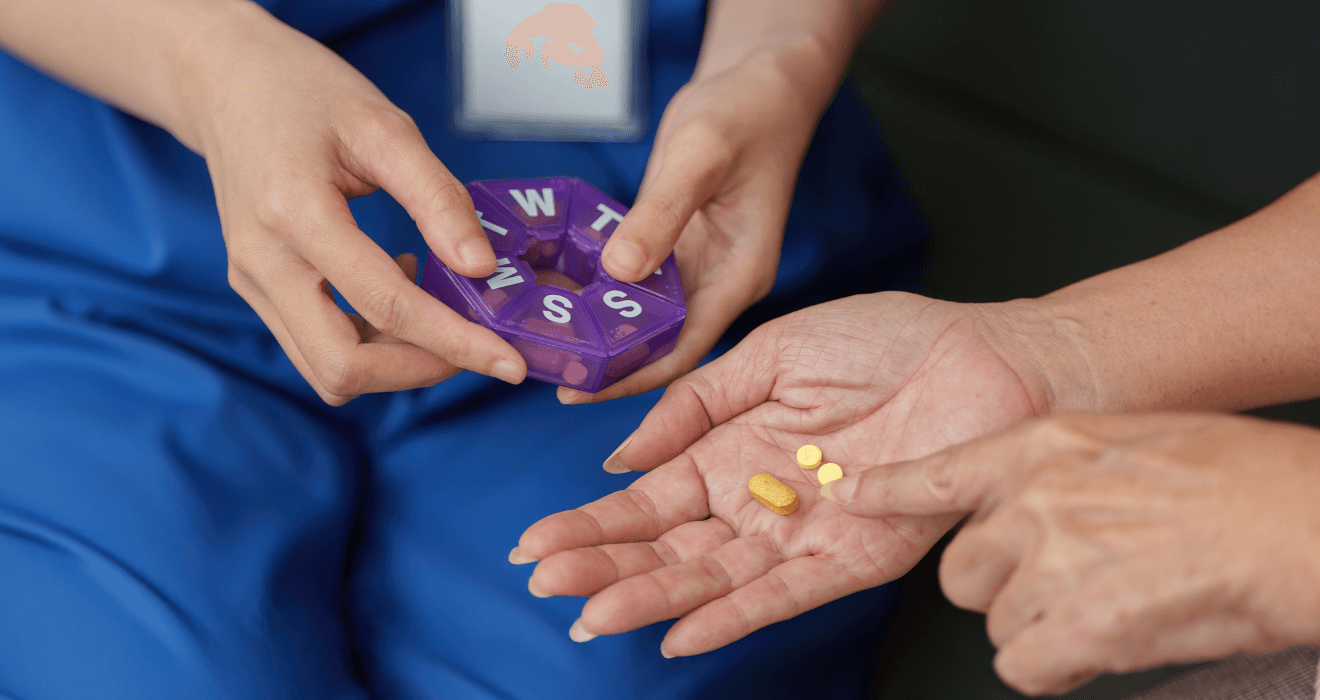
Medication changes are common after a hospitalization. Patients may be prescribed new medications, instructed to stop certain prescriptions, or told to take existing medications differently. Without careful review, this can lead to duplicate medications, missed doses, side effects, or harmful drug interactions.
As part of Transitional Care Management, Advanced Health reviews your medications after discharge to help ensure they are accurate, appropriate, and aligned with your current treatment plan. This includes comparing your pre-hospital medications with your discharge medication list and identifying anything that may need clarification.
Medication reconciliation is especially important for patients managing chronic conditions such as high blood pressure, diabetes, heart disease, COPD, kidney disease, or multiple ongoing prescriptions.
Recovery does not end when a patient leaves the hospital. Many patients need continued support in the days and weeks after discharge. Symptoms may change, new concerns may appear, or additional care may need to be coordinated.
Advanced Health monitors recovery progress, helps manage symptoms, and provides guidance when follow-up is needed. Depending on your situation, this may include coordinating with specialists, reviewing test results, helping arrange home health services, supporting wound care needs, or connecting you with chronic care management or remote patient monitoring when appropriate.
This ongoing support helps reduce gaps between hospital care and primary care. It also gives patients and caregivers a clearer point of contact during the recovery process.
What Happens During Transitional Care Management?
After discharge, the Advanced Health team helps bridge the gap between the hospital and your regular care. While every patient’s needs are different, TCM may include:
- Reviewing discharge instructions
- Reviewing hospital or facility records
- Scheduling a follow-up visit
- Reviewing medications and prescription changes
- Checking for new or worsening symptoms
- Coordinating referrals and specialist follow-up
- Helping arrange additional services when needed
- Supporting caregivers and family members
- Updating your ongoing care plan
Monitoring your recovery progress
The purpose is to make sure you are not left to navigate the transition alone. TCM gives patients a structured follow-up process and helps the care team respond quickly when concerns arise.
Why Transitional Care Management Matters
The period after a hospital stay is one of the most important times for patient safety. Even when discharge instructions are provided, patients may still feel uncertain about medications, follow-up appointments, warning signs, activity restrictions, or what to do if symptoms return.
Transitional Care Management helps close that gap. With timely follow-up, medication reconciliation, and coordinated care, patients are better supported as they return home and continue recovery.
TCM may help:
- Reduce avoidable hospital readmissions
- Improve communication between providers
- Clarify medication and treatment changes
- Support better recovery after discharge
- Identify complications earlier
- Improve confidence for patients and caregivers
- Keep primary care connected to the patient’s full health picture
For patients with chronic conditions, TCM is also an important part of long-term care continuity. It helps ensure that changes made during a hospital stay are integrated into the patient’s broader care plan.