In-Clinic Wound Care in Greenville & Surrounding Areas
Wounds that are slow to heal need more than basic first aid. Chronic, non-healing, or complex wounds can become painful, limit mobility, increase the risk of infection, and interfere with a patient’s overall health. At Advanced Health, our in-clinic wound care services are designed for patients who need consistent, medically guided treatment in a primary care setting.
Our team evaluates the wound itself while also looking at the health conditions that may be affecting healing. Diabetes, circulation problems, pressure injuries, swelling, infection risk, nutrition, mobility limitations, and medication changes can all play a role in how well a wound heals. By addressing both the wound and the underlying contributors, we help patients move toward safer, more effective healing.
Advanced Health provides coordinated in-clinic wound care for patients in Greenville and surrounding areas. When additional support is needed, we can also collaborate with Advanced Mobile Wound Care SC, specialists, home health providers, caregivers, and other members of the patient’s care team.
Our goal is to promote healing, reduce the risk of complications, and help patients avoid unnecessary emergency room visits or hospitalizations whenever possible.


Why Choose Us?
Coordinated primary care + specialized wound treatment
Direct collaboration with Advanced Mobile Wound Care SC, if needed
Advanced treatment for chronic and non-healing wounds
Support for diabetic wounds, pressure injuries, ulcers, surgical wounds, and skin breakdown
Approach and Benefit.
Effective wound care begins with understanding why the wound is not healing as expected. During an in-clinic wound evaluation, the Advanced Health team assesses the wound location, size, depth, drainage, surrounding skin, signs of infection, pain level, circulation concerns, and any related medical conditions that may be delaying healing.
This evaluation helps guide a personalized treatment plan. For some patients, the wound may be related to diabetes, poor circulation, pressure, swelling, limited mobility, recent surgery, trauma, or an underlying infection. Poor blood flow can slow healing because affected tissue does not receive enough oxygen and nutrients, and pressure sores are more common in patients who are unable to change positions regularly.
By identifying these contributing factors early, our team can recommend the right next steps. This may include advanced dressings, wound measurements, pressure relief strategies, medication review, referral coordination, lab work, imaging, vascular evaluation, or follow-up with a specialist when needed.
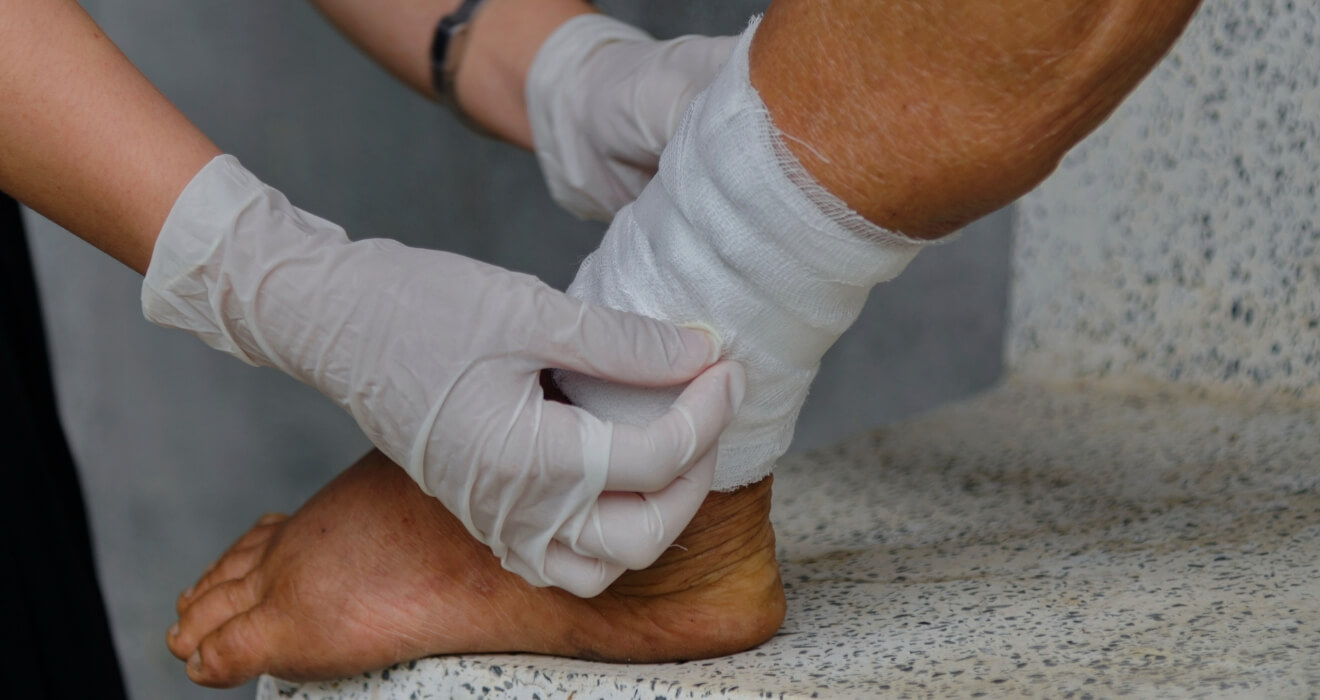
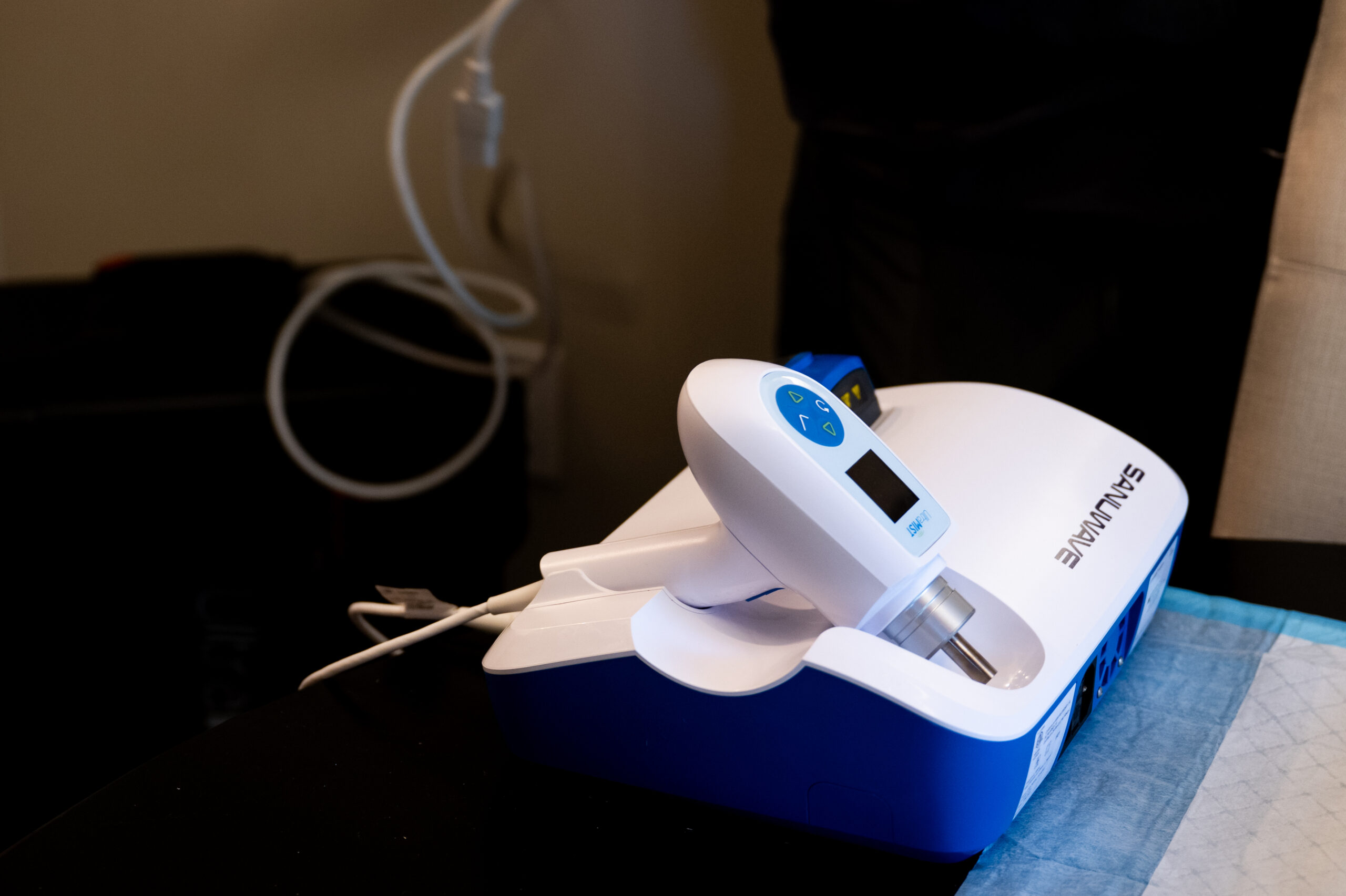
Chronic and complex wounds often require more than a standard bandage. Advanced Health uses evidence-based wound care techniques to support healing, protect the wound, manage drainage, reduce infection risk, and help the body repair damaged tissue.
Depending on the patient’s needs, in-clinic wound care may include:
- Wound cleaning and assessment
- Debridement when clinically appropriate
- Specialized or advanced wound dressings
- Monitoring for infection or delayed healing
- Pressure relief education
- Diabetic wound support
- Ulcer care
- Surgical wound follow-up
- Coordination with home health or mobile wound care
- Patient and caregiver education
Different wounds may require different approaches. For example, venous ulcers often require swelling control and compression as directed by a clinician, while ischemic or arterial wounds may require evaluation of blood flow before healing can improve.
Our team also helps patients understand how to care for their wound between visits. This may include instructions on keeping the dressing clean and dry, recognizing concerning changes, protecting the wound from pressure, following medication directions, and knowing when to call the office.
Wound healing takes time, and regular follow-up is often necessary to make sure the treatment plan is working. At Advanced Health, we monitor wound progress over time and adjust care when needed. This may include tracking wound size, drainage, pain, skin changes, signs of infection, and overall healing progress.
Ongoing monitoring is especially important for patients with diabetes, circulation concerns, limited mobility, chronic swelling, or multiple medical conditions. These patients may face a higher risk of delayed healing or complications, so consistent follow-up can help identify concerns earlier.
Our in-clinic wound care also connects with the broader Advanced Health care model. Patients may benefit from primary care follow-up, Chronic Care Management, Remote Patient Monitoring, Transitional Care Management after a hospital stay, or coordination with Advanced Mobile Wound Care when travel to the office is difficult.
This coordinated approach helps reduce gaps in care and gives patients a clearer support system throughout the healing process.
Advanced Health provides in-clinic care for many types of wounds that require medical evaluation and ongoing treatment. These may include:
Diabetic wounds and foot ulcers
Pressure injuries or bedsores
Venous ulcers
Arterial or circulation-related wounds
Surgical wounds
Traumatic wounds
Skin tears
Slow-healing cuts or sores
Wounds with drainage or swelling
Wounds that have not improved with basic care
Not every wound can be treated in a primary care office. If a wound requires emergency care, surgical intervention, vascular treatment, infectious disease management, or another higher level of care, our team can help coordinate the appropriate referral.
Patients should not wait too long to have a wound evaluated, especially if it is not improving. A wound may need medical attention if it is getting larger, becoming more painful, draining more fluid, developing odor, or showing signs of infection. Common infection warning signs include spreading redness, warmth, swelling, increasing pain, pus, fever, or red streaking away from the wound.
You should also contact a healthcare provider if you have diabetes, poor circulation, a weakened immune system, or a wound on the foot or lower leg that is not healing. These wounds can become more serious without proper treatment.
For urgent symptoms such as fever, rapidly spreading redness, severe pain, confusion, or signs of a serious infection, patients should seek immediate medical care.
Wound care is not only about closing the wound. It is also about protecting the patient’s overall health. A chronic wound can affect mobility, independence, comfort, sleep, infection risk, and quality of life. It can also signal an underlying issue that needs closer attention, such as diabetes, circulation problems, swelling, nutrition concerns, or pressure-related skin breakdown.
By treating wounds within a coordinated primary care setting, Advanced Health can help manage both the immediate wound and the medical conditions that may be slowing recovery. This makes wound care more complete and helps patients stay connected to ongoing support.
Stay Supported Through Every Stage of Healing
A wound that is not healing should not be ignored. With the right care plan, consistent follow-up, and medical support, many patients can reduce complications and make steady progress toward healing.
Advanced Health offers in-clinic wound care for patients in Greenville and surrounding areas who need evaluation, treatment, and ongoing support for chronic, complex, or slow-healing wounds.
Call Advanced Health today at 864-519-0121 to learn more about in-clinic wound care or to schedule an appointment.