How RPM Helps Manage High Blood Pressure in Older Adults
How Remote Blood Pressure Monitoring for Seniors Supports More Consistent Care
High blood pressure is common in older adults, but managing it effectively can require more than an occasional reading at the doctor’s office. Blood pressure can change from day to day, and a single measurement may not always show the full picture of how well a treatment plan is working.
Remote blood pressure monitoring for seniors provides a way to track readings at home and securely share that information with a healthcare team. Rather than waiting weeks or months between appointments, providers can review trends over time and use that information to support more informed, proactive care.
Remote Patient Monitoring, or RPM, does not replace primary care. It extends it, helping patients stay connected to their care team between visits.
Why Blood Pressure Monitoring Matters More as We Age
High blood pressure can increase the risk of heart disease, stroke, kidney disease, and other health complications. It also frequently causes no noticeable symptoms, which makes regular measurement especially important.
For older adults, blood pressure management can become more complicated when other health conditions or medications are involved. A reading that appears normal during an office visit also does not necessarily reflect what happens throughout a patient’s normal routine.
Home monitoring gives healthcare providers additional information to evaluate alongside office readings, symptoms, medications, and the patient’s overall health.
What Is Remote Blood Pressure Monitoring?
Remote Patient Monitoring allows patients to collect health information at home using a connected medical device. According to the Centers for Medicare & Medicaid Services, RPM can be used to collect measurements such as blood pressure, weight, and glucose levels and automatically transmit that information to a healthcare provider.
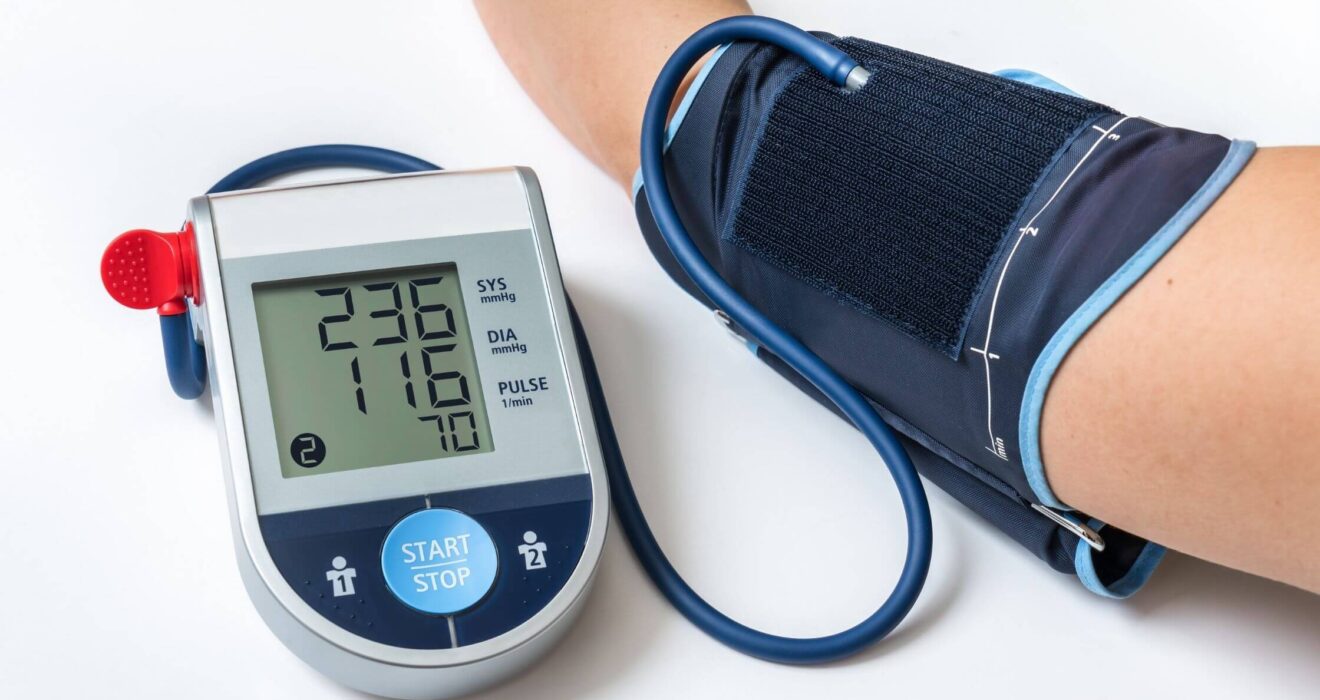
For blood pressure monitoring, a patient typically uses a connected cuff at home. Instead of writing readings in a notebook and remembering to bring them to the next appointment, the measurements can be transmitted to the care team for review.
This provides a more continuous picture of blood pressure patterns between appointments.
How RPM Can Help Identify Blood Pressure Changes Earlier
One of the biggest advantages of remote blood pressure monitoring is the ability to look at trends rather than relying on isolated measurements.
A single high or low reading may have several possible explanations. Repeated changes over several days or weeks can provide more useful information about whether blood pressure is consistently outside a patient’s expected range.
Having access to this information can help a healthcare team determine when a patient may need additional follow up. It can also make conversations about medications, symptoms, diet, physical activity, and other factors more productive because decisions are informed by a broader set of readings.
The CDC recommends that patients who monitor blood pressure at home share those readings with their healthcare team so they can make management decisions together.
Remote Blood Pressure Monitoring Can Improve Continuity of Care
For many seniors, frequent trips to a medical office can be difficult because of transportation, mobility, scheduling, or other health concerns. RPM allows important health information to reach the care team without requiring an office visit every time a measurement is needed.
This does not mean appointments become unnecessary. Instead, remote monitoring can help make the time between those appointments more clinically useful.
When providers have access to regular readings, they have additional context when evaluating how a patient is responding to treatment. This can create a more connected care experience and reduce some of the uncertainty patients may feel when managing hypertension on their own.
Supporting Medication and Treatment Decisions
Managing high blood pressure often involves a combination of lifestyle changes and medication. The American Heart Association notes that taking medications as prescribed and making recommended lifestyle changes can help control blood pressure and reduce health risks.
Regular home readings can help providers evaluate how those treatment strategies are working outside the clinical setting. If a medication is changed, for example, ongoing monitoring may provide useful information about how blood pressure responds over time.
Remote monitoring can also encourage patients to become more engaged in their own care. Taking regular measurements helps make blood pressure management part of a routine rather than something that is addressed only during appointments.
Getting Accurate Blood Pressure Readings at Home
Remote monitoring is most useful when readings are taken correctly. Proper technique matters because factors such as posture, cuff placement, activity, and even talking during the measurement can affect the result.
The CDC recommends sitting with the back supported, keeping both feet flat on the floor, resting the arm at chest height, and placing the cuff directly against bare skin. The American Heart Association also recommends using a validated upper-arm monitor and notes that devices should be appropriate for the person using them, including older adults.
A healthcare provider can help patients understand how and when to measure their blood pressure so the information being collected is as useful as possible.
Who May Benefit From RPM for High Blood Pressure?
Remote monitoring may be particularly helpful for older adults who need more consistent observation of their blood pressure between visits.
This may include patients who are newly diagnosed with hypertension, have recently had medications adjusted, have difficulty keeping blood pressure controlled, or are managing multiple chronic health conditions.
RPM may also provide additional reassurance for family caregivers who want their loved one to have more consistent connection with a healthcare team.
Whether remote monitoring is appropriate depends on the individual patient, their medical needs, and their treatment plan.
A More Connected Approach to Managing High Blood Pressure
Managing hypertension is rarely about one reading or one appointment. It is an ongoing process that works best when patients and providers have reliable information and consistent communication.
Remote blood pressure monitoring can help bridge the gap between office visits by giving healthcare teams greater visibility into how a patient is doing at home. For older adults, that added connection can make chronic disease management more proactive, personalized, and manageable.
At Advanced Health, our Remote Patient Monitoring services are designed to help eligible patients stay connected to their care team while managing conditions such as high blood pressure. If you or a loved one would benefit from more consistent blood pressure monitoring and ongoing support, contact Advanced Health to learn whether RPM may be appropriate for your care plan.