
How Stress Affects Your Physical Health
Understanding the Effects of Stress on Physical Health
Stress is a normal part of life. A demanding job, financial concerns, family responsibilities, major life changes, or simply trying to keep up with a busy schedule can all create periods of stress. In small doses, your body’s stress response can actually be useful, helping you react quickly and stay focused when necessary.
The problem occurs when stress becomes persistent. Chronic stress can affect much more than your mood. The effects of stress on physical health can influence your sleep, digestion, heart health, immune system, energy levels, and even the way your body experiences pain.
Recognizing these connections is an important part of taking care of your overall health.
How Chronic Stress Affects Your Body
When you encounter a stressful situation, your body releases hormones such as cortisol and adrenaline. These hormones prepare you to respond by increasing your heart rate, raising blood pressure, and making more energy available.
Once the stressful situation passes, your body should return to its usual state. With chronic stress, however, the stress response may remain activated more often than it should.
Over time, that prolonged response can affect multiple systems throughout the body. This is why someone experiencing ongoing stress may begin noticing physical symptoms even when they do not immediately connect those symptoms to stress.
Stress and Heart Health
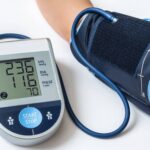
Stress can have a noticeable effect on your cardiovascular system. During stressful situations, your heart rate may increase and your blood vessels can respond in ways that temporarily raise blood pressure.
Occasional stress does not necessarily mean you will develop high blood pressure or heart disease. However, chronic stress can contribute to behaviors and physical changes that affect cardiovascular health. Some people exercise less, sleep poorly, eat differently, or rely more heavily on alcohol or tobacco when they are under prolonged stress.
For people who already have high blood pressure or other cardiovascular risk factors, managing stress can be an important part of a broader heart health plan.
Stress, Sleep, and Persistent Fatigue
One of the most common physical effects of stress is disrupted sleep. You may have difficulty falling asleep because your mind will not slow down, wake frequently during the night, or wake in the morning without feeling rested.
Poor sleep and stress can then reinforce one another. When you are exhausted, everyday challenges may feel harder to manage. Increased stress can make it even more difficult to get restorative sleep.
Over time, this cycle can contribute to persistent fatigue, difficulty concentrating, irritability, and reduced energy during the day.
Digestive Problems and Stress
Your brain and digestive system are closely connected, which is why stressful situations can sometimes make you feel nauseated or give you the sensation of “butterflies” in your stomach.
When stress becomes chronic, digestive symptoms may become more frequent. Some people experience stomach discomfort, changes in appetite, heartburn, diarrhea, constipation, or changes in existing gastrointestinal symptoms.
Persistent digestive issues should not automatically be attributed to stress. If symptoms are new, worsening, or interfering with daily life, it is important to discuss them with a healthcare provider so other potential causes can be considered.
Headaches, Muscle Tension, and Physical Pain
Have you ever noticed your shoulders tightening during a difficult workday or developed a headache after a particularly stressful week? Stress can cause muscles to remain tense for extended periods, particularly around the neck, shoulders, back, and jaw.
For some people, this contributes to recurring headaches or muscle discomfort. Stress may also make existing pain feel more difficult to manage.
Exercise, stretching, relaxation techniques, and adequate sleep may help reduce tension, but recurring or significant pain deserves medical evaluation rather than simply assuming stress is responsible.
How Stress Can Affect Your Immune System
Long term stress can also influence immune function. Your immune system and stress response interact closely, and prolonged stress may affect the body’s ability to regulate inflammation and respond normally to health challenges.
This does not mean every cold or illness is caused by stress. Rather, chronic stress is one factor among many that can influence overall health and resilience.
Supporting your body with adequate sleep, regular physical activity, balanced nutrition, and appropriate medical care can help protect your health during demanding periods.
When Physical Symptoms Should Be Discussed With Your Doctor
Stress can cause real physical symptoms, but it is important not to assume that stress is the explanation for every change in your health.
Persistent fatigue, recurring headaches, digestive problems, changes in weight or appetite, difficulty sleeping, elevated blood pressure, heart palpitations, or unexplained pain may have several possible causes. A primary care provider can evaluate your symptoms in the context of your overall health and determine whether additional testing or treatment is appropriate.
You should also seek prompt medical attention for potentially serious symptoms such as chest pain, severe shortness of breath, fainting, or sudden neurological changes rather than assuming they are caused by anxiety or stress.
Practical Ways to Reduce the Physical Effects of Stress
Managing stress does not require eliminating every stressful situation from your life. For most people, that would not be realistic. Instead, the goal is to give your body regular opportunities to recover.
Consistent sleep, physical activity, time outdoors, balanced meals, and intentional breaks from work or other responsibilities can all support stress management. Relaxation techniques such as breathing exercises, meditation, or mindfulness may also be helpful.
Sometimes, however, lifestyle changes are not enough. If stress is affecting your physical health, relationships, work, sleep, or ability to enjoy daily life, talking with a healthcare professional can help you determine what additional support may be appropriate.
Your Mental and Physical Health Are Connected
Stress is not “just in your head.” Mental and physical health are closely connected, and changes in one can affect the other. Paying attention to persistent symptoms and addressing stress before it becomes overwhelming is an important part of preventive healthcare.
If stress is beginning to affect how you feel physically, Advanced Health can help you look at the bigger picture. Our primary care team can evaluate your symptoms, identify other potential health concerns, and work with you to develop a personalized plan for your overall well being. Contact Advanced Health to schedule an appointment and start a conversation about what you have been experiencing.