How Remote Monitoring Helps Prevent Hospital Readmissions
How Remote Patient Monitoring Supports Better Outcomes After Discharge
For many patients, especially seniors and those managing chronic conditions, the period after leaving the hospital is one of the most vulnerable times in their care journey. Even with clear discharge instructions, it can be difficult to track symptoms, manage medications, and recognize early warning signs at home.
Remote Patient Monitoring offers a more connected approach to care during this critical window. By allowing healthcare providers to track key health data between visits, it helps identify potential issues early and supports patients in staying on track with their recovery.
Why Hospital Readmissions Happen
Hospital readmissions are often preventable, yet they remain common, particularly among older adults and individuals with chronic conditions. Many readmissions occur because symptoms worsen gradually and go unnoticed until they require urgent care.
Common contributing factors include missed warning signs, difficulty managing medications, lack of follow up care, and limited access to support at home. In some cases, patients may not realize that a change in how they feel is significant enough to report.
Bridging the gap between hospital discharge and follow up care is essential to reducing these risks.
What Is Remote Patient Monitoring (RPM)?
Remote Patient Monitoring uses connected devices to track health data from home and share it directly with a healthcare team. This allows providers to stay informed about a patient’s condition without requiring frequent in person visits.
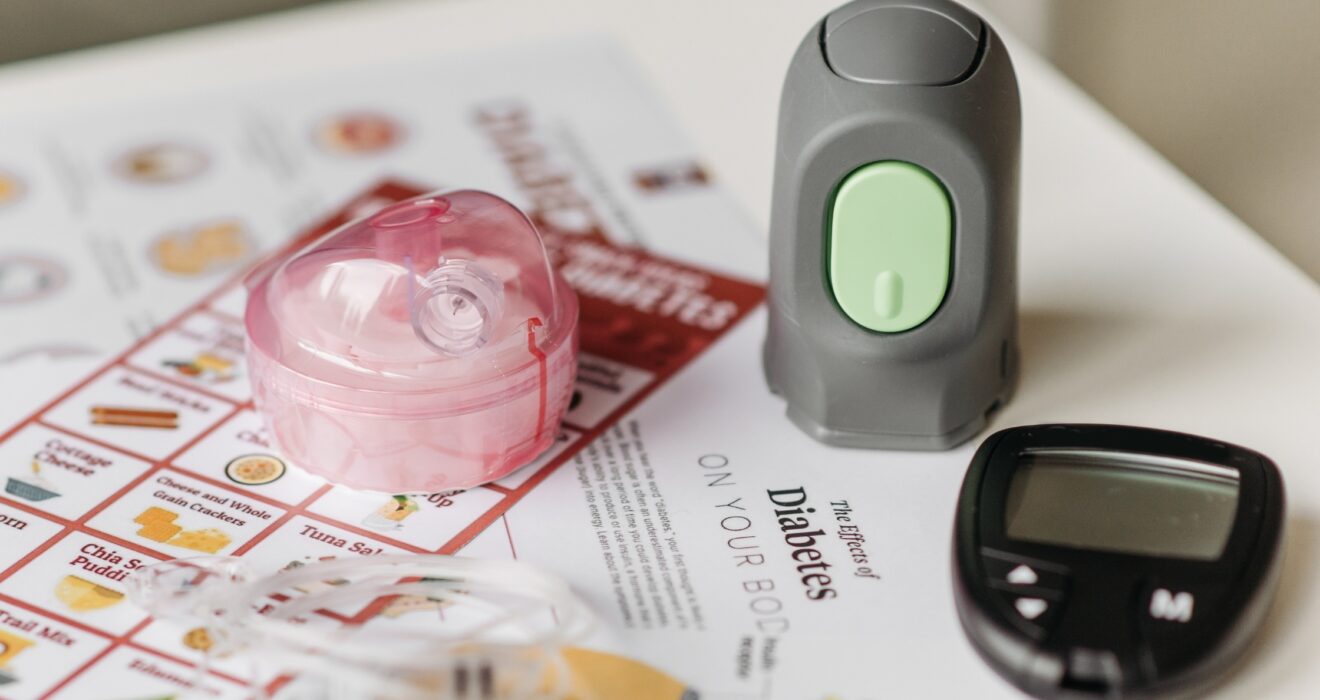
Depending on the patient’s needs, monitoring may include blood pressure, weight, blood glucose, oxygen levels, or heart rate. These measurements are collected regularly and reviewed by clinical teams who can identify trends or concerning changes.
Instead of relying solely on scheduled appointments, RPM creates a continuous stream of insight into a patient’s health.
How Remote Monitoring Helps Prevent Readmissions
One of the most important benefits of Remote Patient Monitoring is early detection. Subtle changes in vital signs can indicate that a condition is worsening before symptoms become severe.
When providers can see these changes in real time, they can intervene sooner. This might involve adjusting medications, providing guidance, or scheduling a timely follow up visit. Acting early can prevent complications that would otherwise lead to hospitalization.
RPM also improves accountability and engagement. Patients are more likely to stay consistent with monitoring and treatment plans when they know their care team is actively reviewing their data. This ongoing connection reinforces healthy habits and encourages patients to report concerns sooner.
For caregivers, RPM provides reassurance. Knowing that a loved one’s health is being monitored helps reduce uncertainty and allows for more informed support at home.
Supporting Seniors and Caregivers at Home
Seniors often face unique challenges after hospital discharge, including managing multiple medications, navigating mobility limitations, and recognizing changes in symptoms. Remote monitoring provides an added layer of support without requiring frequent travel to appointments.
Caregivers also benefit from this approach. Instead of relying solely on observation, they have the confidence that healthcare professionals are tracking important health indicators and can step in when needed.
This shared responsibility creates a more supportive environment for recovery and long term health management.
The Role of Care Coordination in Preventing Readmissions
While data is important, it is most effective when paired with coordinated care. Remote Patient Monitoring works best when integrated with ongoing communication and support from a healthcare team.
Care coordination ensures that information gathered through monitoring is used to guide decisions, update care plans, and keep all providers aligned. It also provides patients with a clear point of contact if they have questions or concerns.
When monitoring and communication work together, patients receive more proactive and responsive care.
A More Connected Approach to Recovery
Preventing hospital readmissions requires more than a single intervention. It requires consistent attention, timely communication, and a clear understanding of a patient’s condition between visits.
Remote Patient Monitoring helps create this connection by extending care beyond the walls of a clinic or hospital. It allows providers to stay engaged, patients to feel supported, and caregivers to participate more confidently in the recovery process.
If you or a loved one could benefit from closer monitoring after a hospital stay, Advanced Health offers remote monitoring programs designed to keep patients connected to their care team and reduce the risk of readmission. A more proactive approach can make recovery safer, smoother, and more manageable at home. Contact our patient care team today to learn more!